#KahliBuds #MMJ #CBD #THC

420GrowLife
via www.KahliBuds.com
A.J. Herrington, Forbes, KahliBuds, 420GrowLife
More Americans smoke marijuana than tobacco, according to the results of a recent Gallup poll. The poll also found that the use of cannabis in the United States is at an all-time high, jumping by a third in just one year. The Gallup poll, which was released on August 16, shows that 16% of those surveyed said that they smoke marijuana, up from 12% in a similar poll only one year ago, although Gallup said…
420GrowLife
via www.KahliBuds.com
A.J. Herrington, Forbes, KahliBuds, 420GrowLife
#KahliBuds #MMJ #CBD #THC

420GrowLife
via www.KahliBuds.com
A.J. Herrington, Forbes, KahliBuds, 420GrowLife
Colorado-based Day Three Labs announced this week that the world’s first government-sponsored cannabis technology incubator will fund the company’s research into using cannabis as a treatment for Parkinson’s disease. Day Three labs is a cannabinoid consumer products ingredient manufacturer specializing in the development and commercialization of novel cannabis products with its headquarters in Denver and a research facility in Israel, where regulations make studying cannabis far easier than in the United States. The firm is…
420GrowLife
via www.KahliBuds.com
A.J. Herrington, Forbes, KahliBuds, 420GrowLife
#KahliBuds #MMJ #CBD #THC

420GrowLife
via www.KahliBuds.com
A.J. Herrington, Forbes, KahliBuds, 420GrowLife
A new poll reveals that cannabis will be an important part of holiday festivities for many consumers this year, with marijuana playing a role in both gift giving and celebrating the season. Results of the poll, which was commissioned by vertically integrated cannabis company Jushi Holdings, show that nine out of ten cannabis consumers in states with legal recreational marijuana plan to include cannabis as part of their holiday celebrations. “Our insights clearly show that…
420GrowLife
via www.KahliBuds.com
A.J. Herrington, Forbes, KahliBuds, 420GrowLife
#KahliBuds #MMJ #CBD #THC

420GrowLife
via www.KahliBuds.com
A.J. Herrington, Forbes, KahliBuds, 420GrowLife
A study of more than 400 health care professionals has revealed that most physicians lack knowledge of medicinal cannabis, with 65% saying that they have been asked about medical marijuana as a treatment for chronic pain but were unable to answer their patients’ questions. The quantitative research study, which was commissioned by cannabis healthcare brand Cannaceutica, surveyed 445 physicians who treat chronic pain, including general practitioners and specialists in fields such as orthopedics, rheumatology, and…
420GrowLife
via www.KahliBuds.com
A.J. Herrington, Forbes, KahliBuds, 420GrowLife
#KahliBuds #MMJ #CBD #THC

420GrowLife
via www.KahliBuds.com
A.J. Herrington, Forbes, KahliBuds, 420GrowLife
Have you ever smoked weed with your grandma? Lots of people would, apparently, according to a recent survey of cannabis knowledge and consumption habits conducted by culinary edibles company Azuca. The survey found that 60% of cannabis consumers would get high with a grandparent and revealed other ways that the use of cannabis products is being integrated into American lives as the legalization of marijuana continues to spread across the nation. Nearly a third of…
420GrowLife
via www.KahliBuds.com
A.J. Herrington, Forbes, KahliBuds, 420GrowLife
#KahliBuds #MMJ #CBD #THC

420GrowLife
via www.KahliBuds.com
A.J. Herrington, Forbes, KahliBuds, 420GrowLife
Every cannabis lover has their favorite stash of accouterments, be it books, smoking accessories, or fashion statements. Why should it be any different for marijuana moms? Whether your mom is new to the cannabis game or a seasoned veteran, you’ll find a perfect selection with this Mother’s Day gift guide for cannabis accessories. Or choose from a selection of THC gifts and hemp and CBD selections for Mother’s Day. Feminist Weed Farmer (Book) Weed is…
420GrowLife
via www.KahliBuds.com
A.J. Herrington, Forbes, KahliBuds, 420GrowLife
#KahliBuds #MMJ #CBD #THC

420GrowLife
via www.KahliBuds.com
A.J. Herrington, Forbes, KahliBuds, 420GrowLife
When California voters legalized recreational marijuana with the passage of Proposition 64 in 2016, the move caught the attention of big-money investors from around the globe. Eager to reap the rewards of what would become the world’s largest market for regulated cannabis at the time, speculators poured untold amounts of cash into the state to stake their claim. But while Prop. 64 created new opportunities for adult-use cannabis, it also upended an existing medical marijuana…
420GrowLife
via www.KahliBuds.com
A.J. Herrington, Forbes, KahliBuds, 420GrowLife
#KahliBuds #MMJ #CBD #THC

420GrowLife
via www.KahliBuds.com
A.J. Herrington, Forbes, KahliBuds, 420GrowLife
In January, when Steve DeAngelo announced his departure from Harborside, the California cannabis dispensary he co-founded that has become a flagship of the industry, the sudden move turned more than a few heads. A product of decades of drive and activism to gain legal acceptance for cannabis, Harborside was just one of the feathers in the hat perched above DeAngelo’s trademark dual braids that earned him the title of the Father of Legal Cannabis from…
420GrowLife
via www.KahliBuds.com
A.J. Herrington, Forbes, KahliBuds, 420GrowLife
#KahliBuds #MMJ #CBD #THC

420GrowLife
via www.KahliBuds.com
A.J. Herrington, Forbes, KahliBuds, 420GrowLife
A combination of compounds found in cannabis showed the potential to treat or even prevent coronavirus infections in human lung cells, according to recently published research. The study, “In Vitro Evaluation of the Activity of Terpenes and Cannabidiol against Human Coronavirus E229,” was published by the peer-reviewed journal Life on March 29. The research studied the antiviral action of a proprietary formula of terpenes, which are natural volatile compounds found in many plants including cannabis.…
420GrowLife
via www.KahliBuds.com
A.J. Herrington, Forbes, KahliBuds, 420GrowLife
#KahliBuds #MMJ #CBD #THC
420GrowLife
via www.KahliBuds.com
A.J. Herrington, Forbes, KahliBuds, 420GrowLife
If you look closely at a package of Wana Brands fast-acting cannabis gummies, you’re likely to notice that the product is certified as kosher. In fact, all of Wana’s products that are manufactured in Colorado have been certified by Whole Kosher Services, a company based in Houston.
It is commonly understood that kosher refers to food products that are permissible under Jewish law. Well-known provisions of the laws regulating what is kosher (referred to as kashruth in Hebrew) include prohibitions on pork and shellfish. Other rules prescribe conditions for the ritual slaughter of livestock and prohibit the comingling of meat and milk products.
But kosher certification goes beyond ensuring a product does not contain ingredients that are not allowed. Rabbi Yaakov Cohen, the kashruth administrator of Whole Kosher Services, explained in a telephone interview that the designation also means that the product has been produced in a clean facility under hygienic conditions.
– Read the entire article at Forbes.
420GrowLife
via www.KahliBuds.com
A.J. Herrington, Forbes, KahliBuds, 420GrowLife
#KahliBuds #MMJ #CBD #THC
420GrowLife
via www.KahliBuds.com
A.J. Herrington, Forbes, KahliBuds, 420GrowLife
If you are having trouble getting a good night’s sleep these days, you’re not alone. Up to 70 million people are affected by sleep disorders, according to data from the National Institutes of Health, and consumers are spending $70 billion a year on sleep aids, 65% of which goes to medications. And let’s be honest, the past year hasn’t been terribly conducive to getting a good dose of shuteye. In fact, a recent study found that a substantial portion of the general population was affected by sleep disorders during the coronavirus pandemic, often leading to impacts on mental health.
To deal with the stress associated with the Covid-19 outbreak, many have turned to cannabis for help. A recent Harris Poll survey found that half of cannabis consumers were replacing or reducing their alcohol consumption with marijuana during the pandemic. At the same time, California cannabis delivery service Ganja Goddess saw a whopping 635% increase in revenue for products marketed to support sleep.
“In a year filled with challenges, we saw a surge in consumers placing orders for cannabis products marketed to help with sleep issues, highlighting one of the many health issues Americans are facing during the pandemic,” Ganja Goddess CEO Zachary Pitts wrote in an email.
– Read the entire article at Forbes.
420GrowLife
via www.KahliBuds.com
A.J. Herrington, Forbes, KahliBuds, 420GrowLife
#KahliBuds #MMJ #CBD #THC
420GrowLife
via www.KahliBuds.com
A.J. Herrington, Forbes, KahliBuds, 420GrowLife
In 1974, High Times published its first marijuana centerfold in its Fall issue, only the second edition ever of the groundbreaking magazine covering all things cannabis. Depicting a 20-pound brick of Colombian pot on a white silk sheet, the image was the first in a series of iconic marijuana photographs that continues to this day. Since that popular debut, cannabis photography has advanced, both technically and artistically, with the launch of myriad other publications dedicated to the plant. And with the flood of cannabis marketing brought about by legalization coinciding with explosive growth in social media, a new day has dawned in the era of weed porn.
Photographer Curtis Taylor (Instagram: @curt_ice) got his first dose of cannabis photography as a boy growing up in Oklahoma. For him, the images in the issues of High Times he found on supermarket magazine racks hinted at a different world far away. So, when he found himself as an adult working in Portland’s legal cannabis industry, those images were still burning in his mind.
– Read the entire article at Forbes.
420GrowLife
via www.KahliBuds.com
A.J. Herrington, Forbes, KahliBuds, 420GrowLife
#KahliBuds #MMJ #CBD #THC
420GrowLife
via www.KahliBuds.com
A.J. Herrington, Forbes, KahliBuds, 420GrowLife
With the coronavirus pandemic stubborn to release its grip on countries around the globe, travelers are being asked to continue stifling their wanderlust for the foreseeable future. And while the shutdown of leisure travel is hardly the most significant impact of the outbreak, it has left many world explorers desperate for the taste of a faraway locale.
To fill the void left by canceled itineraries, alternatives including online guided tours of historic city centers and must-see museums have become a popular choice for vicarious visitors. And now, Californians can elevate their virtual travels with a new line of cannabis edibles that are inspired by traditional Italian desserts.
– Read the entire article at Forbes.
420GrowLife
via www.KahliBuds.com
A.J. Herrington, Forbes, KahliBuds, 420GrowLife
#KahliBuds #MMJ #CBD #THC
420GrowLife
via www.KahliBuds.com
A.J. Herrington, KahliBuds, 420GrowLife
Image via
One of the many wonders of cannabis is all of the different ways the plant can be enjoyed. In its simplest form, mature marijuana buds are dried and cured before smoking, which releases the cannabinoids, terpenes, and other beneficial compounds in a form that can be easily taken in by the body.
But with a little more work, cannabis can also be processed into other products, too. Cannabis flower can be steeped in oil or butter to produce an infused fat for edible products. At a more sophisticated level, solvents or specialized machinery can be employed to create concentrates for dabbing or vaping.
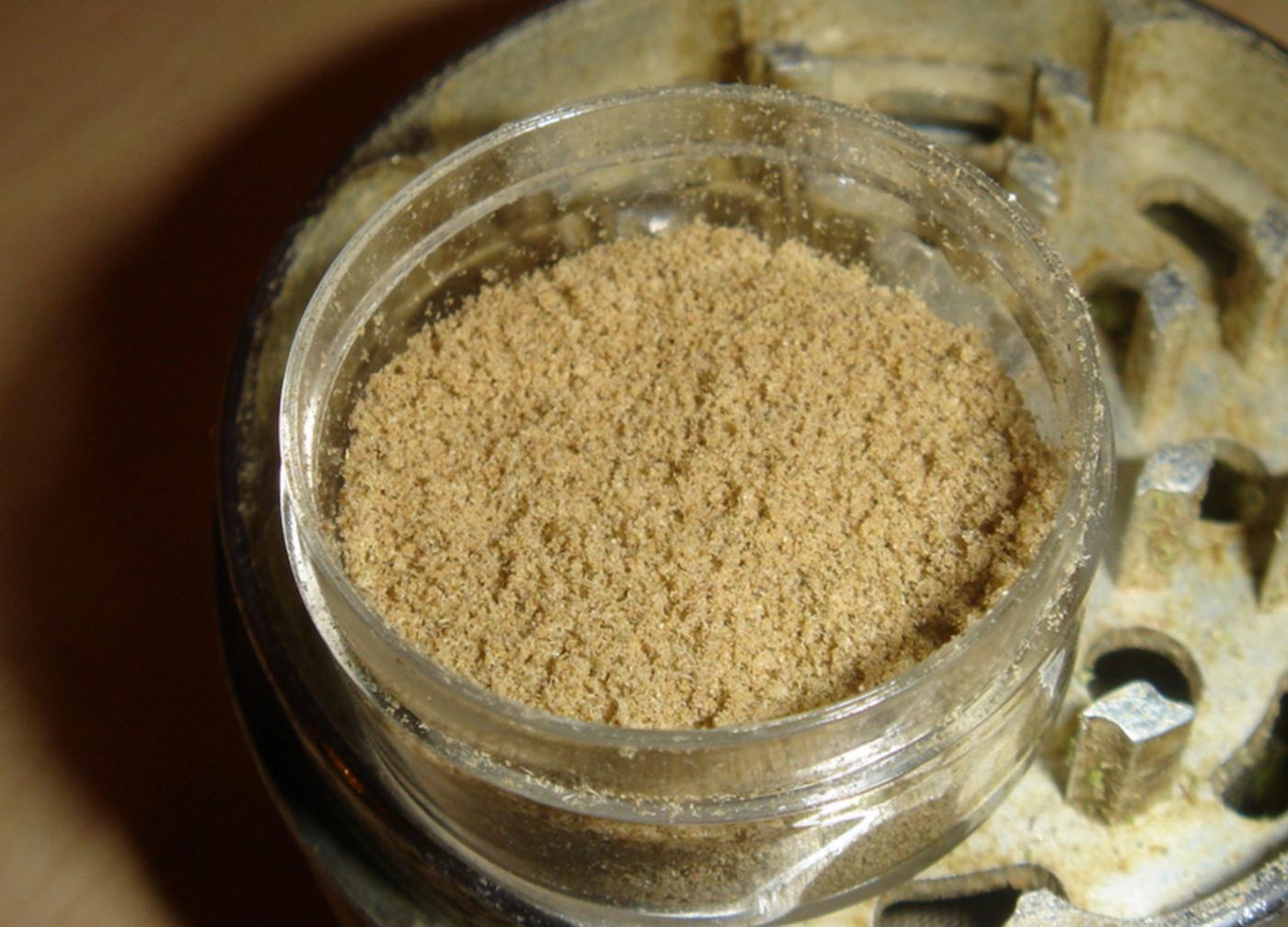
But the easiest thing to make from cannabis is kief, or the tiny trichome heads from the surface of cannabis flower (and to a lesser extent, the leaves) that are packed with cannabinoids and flavorful terps. Kief is easy to collect without the use of any complicated equipment, and once you have a stash, there are myriad ways to enjoy it.
How to Collect Kief
The easiest way to collect small amounts of kief is to use a three-chambered weed grinder to prepare your herb to pack bowls or roll joints and blunts. You’ve probably noticed that the middle chamber, where the weed collects after being ground, has a mesh screen. The screen serves as a filter that lets the nearly-microscopic trichome heads fall into the bottom chamber while holding back the plant material. Once you’ve ground a bunch of nugs, you’ll be able to scrape up the kief from the bottom chamber.
If you’d like to increase the kief production from your grinder, you can add a coin to the middle chamber. Then, each time you grind some herb, shake the grinder so that the coin agitates the crumbled bud before you take it out to use. You’ll get even more kief out of each batch if you put the grinder with the herb inside a freezer for a while before shaking. But remember, the more kief you take out of your buds, the less potent they’ll be when you smoke them.
Even larger amounts of kief can be produced by rubbing dried and crumbled cannabis flower over a piece of silkscreen fabric that has been stretched taut on a wooden frame. Using silkscreen fabric between 80 and 270 LPI (lines per inch), gently rub the weed over the screen with slight pressure to push the trichome heads through. Sift the herb through the screen over a clean container to catch and collect the kief.
You can simplify the process by purchasing a kief box, which will usually have several screens of different sizes stacked together. With the screens stacked sequentially — meaning the smallest on the bottom of the box and the largest on the top — the kief will be separated into varying grades based on trichome size.
Once you’ve collected your kief, keep it fresh by storing it in an airtight, light-proof container in a cool location until you’re ready to use it.
Enjoying Your Kief
Once you’ve collected a nice little stash of kief, they are several ways it can be enjoyed. The easiest is to smoke it. A glass or small-bowled pipe with a screen comes in handy if you want to smoke the kief by itself. You can also use kief to enrich the potency of a joint or bong hit by sprinkling it over the marijuana flower. Kief can also be used to give your herb some extra punch with caviar joints and moon rocks if you also have some cannabis oil to use as glue. Just lightly cover the nug or joint with oil before rolling in kief to produce a nice golden coating. Smoke with care!
Just like marijuana flower, kief can also be further processed into other forms of cannabis. Applying pressure (and the resulting heat) to a mass of kief will create hash, a tradition mostly associated with Asian and Arabic cultures for centuries. An updated, mechanical version of the process uses heat and pressure created by a rosin press to make concentrates out of kief, which are then dabbed in a glass rig.
Kief can also be used to infuse THC into fats such as butter or coconut oil, which can then be used to make an unlimited variety of cannabis edible concoctions. Lighter MCT oil or strong drinking alcohol, like food-grade ethanol, can be used to make discreet and easy-to-use tinctures out of kief.
So, the next time you’re looking for a little more bang from your bong, blunt, or bonbon, give kief a try. You never know, might just have some waiting at the bottom of your grinder right now.
Follow AJ Herrington on Instagram
420GrowLife
via www.KahliBuds.com
A.J. Herrington, KahliBuds, 420GrowLife
#KahliBuds #MMJ #CBD #THC
420GrowLife
via www.KahliBuds.com
A.J. Herrington, KahliBuds, 420GrowLife
Unless you’ve been living under a rock, you’ve probably heard of microdosing, or taking very small amounts of weed or a hallucinogen. Proponents of microdosing believe that taking a sub-perceptual dose (or, a small amount you can barely feel) offers the medicinal or therapeutic benefits of a psychoactive drug without tripping-your-face-off or being blitzed as fuck. Microdosing is often suggested as a way to ease into a new to a drug.
But lately, another term is also circulating through our happy family: macrodosing. As you might suspect, this is the exact opposite of microdosing. Instead of taking minuscule amounts of pot, acid, mushrooms, or another psychedelic substance, large or even heroic doses are taken.
Of course, macrodosing is nothing novel. It’s just the word that’s relatively new. People have been consuming massive amounts of marijuana and other drugs (including the old standby, alcohol) since people first started getting lit. How else are you going to learn your limits?
And there’s nothing wrong with that. If someone wants to get really, really stoned or trip super hard and they’re not hurting anybody, what’s the problem? It’s all good, in our book.
But, when most people talk about macrodosing, there’s generally more thought put into the act and intention that focuses on something other than maximizing the psychoactive effects of the drug. So, what exactly is macrodosing? And what are the benefits, if any?
Can You Macrodose Weed?
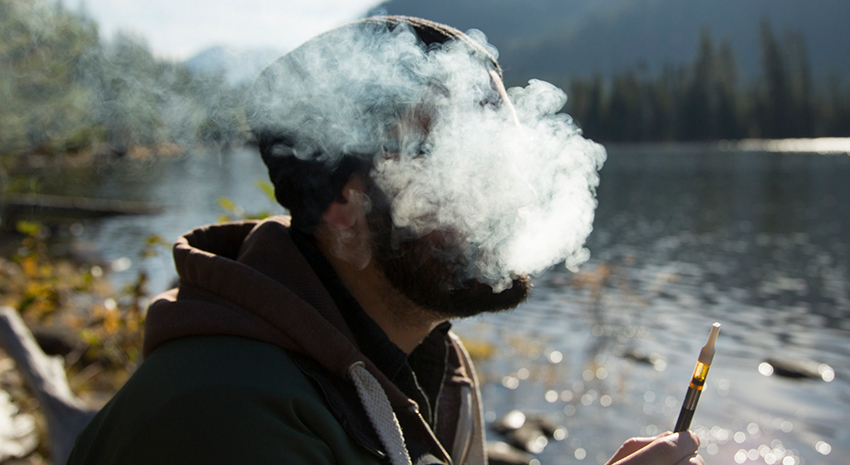
Macrodosing weed entails taking more, often much more, than a typical “serving” of THC, which is generally said to be about 10mgs. Doses from as much as 100mgs of THC up to several hundred or even 1,000mgs are not unheard of, particularly by medical marijuana patients who have developed a tolerance to the drug, but still find it effective to treat conditions including chronic pain.
Ingesting that much THC at once isn’t a terribly easy thing to do. With a typical dispensary 1-gram pre-roll coming in at about 100mgs, you’d have to smoke one to your head all by yourself to get to what most experienced stoners would consider macrodosing.
This is where concentrates come in handy. One dab of a quality wax or shatter can easily deliver 25mgs or more of THC. At that potency, a few quick dabs in succession will get you into macrodosing territory in no time.
Concentrates are easily incorporated into edibles, too, making large doses of THC easily ingestible. Brownies containing up to 1,000mgs have been made, but it is usually suggested to ingest in several servings. (But of course, a suggestion is just that — a suggestion.) Taking one or more doses at the same time will quickly get you into the realm of macrodosing.
Often, there’s more to macrodosing THC than getting really stoned. In addition to pain relief, macrodosing is recommended by some alternative therapy advocates for cancer patients in the form of Rick Simpson Oil or RSO. Under a suggested regimen for the treatment, small doses of a highly potent (up to 90 percent THC) concentrated cannabis oil are steadily increased to up to a gram or more per day.
But, products that make macrodosing THC practical are under fire. As anti-cannabis forces struggle to maintain vestiges of prohibition, caps on THC content have been proposed in several jurisdictions. To protect macrodosing as an option for medical marijuana patients, be sure to speak up against them if these types of regulations are being pushed in your community.
Is Macrodosing Hallucinogens a Thing?
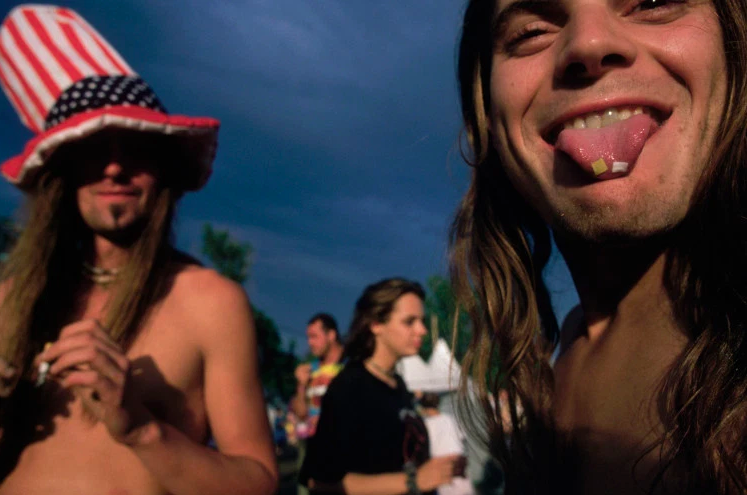
With the resurgence of interest in hallucinogenic drugs and their potential therapeutic effects, macrodosing psychedelics is a thing again. Even the semi-straight-laced-yet-always-interesting author Michael Pollan delved into the world of macrodosing for his book How to Change Your Mind. For Pollan, macrodosing means taking doses of LSD, psilocybin mushrooms, or other psychedelic drugs that are large enough to induce intense, synesthetic hallucinations such as seeing sounds or feeling colors.
Because an intense trip from large doses of hallucinogens can have a lasting effect on the psyche (one of the keys to the therapeutic potential of the drugs) Pollan urges those considering macrodosing do so in a clinical setting with an experienced guide to lead the way.
Often, those who macrodose on psychedelics have profoundly meaningful experiences that change their lives forever. But, that’s not always the case, as expressed by Pollan. He reports that some of his experiences were awful, while others didn’t change everything he knew about the world. But he did learn something from every experience. The same goes for Albert Hoffman, inventor of LSD, who macrodosed himself during one of the first documented acid trips in history.
But, the potential impact macrodosing can have on mental health issues could change the landscape of therapy as we know it. Researchers see potential in using psychedelic experiences therapeutically to treat conditions including clinical depression and addiction.
While macrodosing pot or hallucinogens has therapeutic and recreational value, it shouldn’t be taken lightly and isn’t for the uninitiated. Getting way too baked or tripping too hard can be terribly uncomfortable, so be sure you have some experience with the drug before macrodosing.
But, if you’re hellbent on consuming five grams of shrooms or ten tabs of acid or even high doses of THC, it might be wise to have a sober friend with you, or a trip sitter, as they call ‘em. It’s nice to have someone around who’s tethered to Earth, especially when you feel like you’re on Mars.
That said, when done carefully and in the proper setting, macrodosing can be fun and profoundly therapeutic. Explore mindfully, psychonauts!
Follow AJ Herrington on Instagram
420GrowLife
via www.KahliBuds.com
A.J. Herrington, KahliBuds, 420GrowLife
In Historic First, California Weed Grow Receives License to Operate on Tribal Lands
February 29, 2020
#KahliBuds #MMJ #CBD #THC
420GrowLife
via www.KahliBuds.com
A.J. Herrington, KahliBuds, 420GrowLife
For California indigenous tribes, getting a piece of the state’s legal cannabis market is no easy feat. When voters approved Prop. 64, the initiative that legalized recreational cannabis in 2016, city and county governments gained local control over marijuana businesses wishing to open in their jurisdictions. But tribal governments, which have sovereignty of their land, were left out of the equation because the city and county governments have no authority on reservations.
The omission happened again when regulators created the rules necessary to implement Prop. 64. In order for cannabis businesses to get licensed on tribal land, California requires tribes to cede their sovereignty and authority to the state government, which inspects and regulates cannabis businesses.
"Unfortunately, the state really didn't provide a clear-cut way for tribes,” Bradley Downes, a tribal attorney for the Elk Valley Rancheria in Northern California, told MERRY JANE. “The definition of a local jurisdiction was limited to cities and counties and notably did not include tribal governments."
Several tribes, however, were already players in California’s medical marijuana market. In 2014, the Obama administration’s Justice Department issued the Wilkinson memo, which protected cannabis businesses on tribal lands from federal prosecution in the same way compliant companies off-reservation were shielded under the Cole memo. This led the Utu Utu Gwaitu Paiute to begin growing medical marijuana on their land near the Nevada border. But, the tribe still does not have legal access to the recreational pot market because licensed dispensaries can only acquire their product from state-licensed producers.
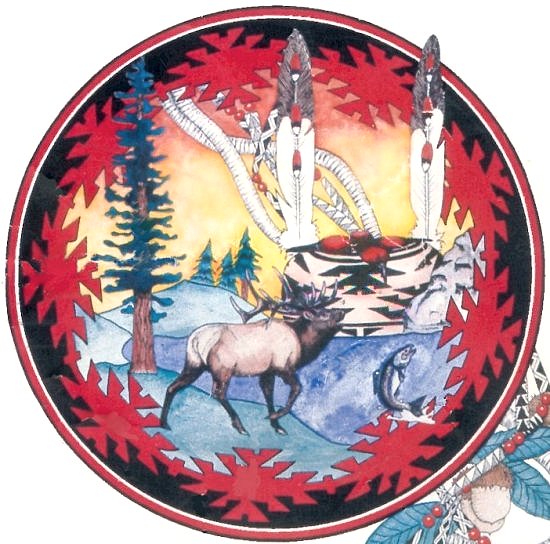
Above, the Elk Valley Rancheria logo
“The state [of California] locked the tribes out of the market, and it’s not fair,” tribal chairwoman Tina Braithwaite told Rolling Stone in 2018. “We were here first. These are our nations. They put us out in these remote areas and said, ‘Survive!’ and yet when we try to survive, then they want to suppress us.”
The stakes are high for Native American communities. Often forced onto marginal lands in rural areas, economic opportunities are few and far between. So, opening a cannabis business would be a way to create rich opportunities for the future. According to data from 2019, the unemployment rate for Native Americans was 6.6 percent, eclipsing the national average of 3.9 percent. The challenges of life on reservations result in substance abuse rates among Native Americans that are higher than any other ethnic group in America. Not giving these communities an option to benefit from the prosperity cannabis often brings is yet another tone-deaf example of America's systemic suppression of marginalized groups.
Tribal leaders at the Elk Valley Rancheria, located in coastal Del Norte County near the Oregon border, also saw the Wilkinson memo as an opportunity for economic development for the reservation. But rather than starting their own cannabis operations, Downes says leaders decided to rent space on the reservation to independent marijuana businesses.
"The tribe was looking at how it would be able to enter that market and landed on the idea of leasing land to a third party that was licensed by the state, so that the product could be sold within the state," said Downes.
After setting up a regulatory framework, the tribe authorized NGEV, Inc. to set up a cannabis cultivation facility at Elk Valley Rancheria. Once Prop. 64 was passed, the company applied for a license from the state for its operation with 15,000-square-feet of greenhouse cultivation space, but ran into a brick wall with state regulators.
"As the state laws were put into place, they really made it difficult for anyone on tribal land to be successful" obtaining a license, NGEV CEO Michael Carlson told MERRY JANE in a phone interview.
Undaunted by the setback, Downes explained that the tribe pursued a dual track of action in hopes of securing state licenses for cannabis businesses on its land. The first was a legislative effort to clarify that tribes could authorize a tenant to engage in cannabis-related activities on tribal land, and that such an authorization would be sufficient for meeting the state’s local authorization requirements. That attempt, called Assembly Bill 924 — introduced in 2017 by Assemblymember Rob Bonta of the East Bay — failed the following year.

Image courtesy of NGEV
A Cooperative Effort Pays Off
The Elk Valley Rancheria also tried to enter into an agreement with the government of Del Norte County that would allow the tribe to lease land to cannabis tenants while retaining regulatory authority over them. That effort paid off in January 2019.
Explained Downes, "The tribe also pursued an opportunity where it ultimately did enter into a memorandum of understanding with the county of Del Norte to authorize cannabis cultivation on tribal lands, to be regulated by the tribe, not by the county."
Through this agreement with the county, the tribe was able to preserve their sovereignty by staying out of the cannabis business itself and instead allowing non-tribal businesses to operate on the reservation as tenants. A precedent for this was set when the state’s Department of Alcoholic Beverage Control (ABC) issued a license to a restaurant that was subject to inspection by ABC staff on the reservation.
"The issue of a state licensing agency coming in to inspect a third-party, non-tribal entity wasn't such a big hurdle to get over when we look at the big picture,” said Downes. “The tribe licenses the facility as well, we conduct background checks, we do everything that a local jurisdiction would do, much the same as if it was located off-reservation."
With a compromise that resolves the issue of local control for the tribe and the county, Carlson went back to work on his application with the California Department of Food and Agriculture, the state’s licensing authority for cannabis cultivators. There were still more issues to work out with regulators along the way, but in December 2019 he achieved his goal.
"After two years of going back and forth with the state,” Carlson said, “we finally got it approved and we finally have our CDFA license.”
The value of what may be the first cannabis license approved on tribal land in California for the Elk Valley Rancheria community can’t be understated.
In addition to the above-market rate rent being paid by NGEV, the company pays a 4 percent tax on gross revenues, which Carlson estimates at $1.5 million yearly with expansion plans already in the works. The cultivation site also has a hiring preference for tribal members, creating new opportunities right on the reservation. Del Norte County comes out ahead in the deal, too, with the 4 percent tax on gross receipts it will be receiving from the company.
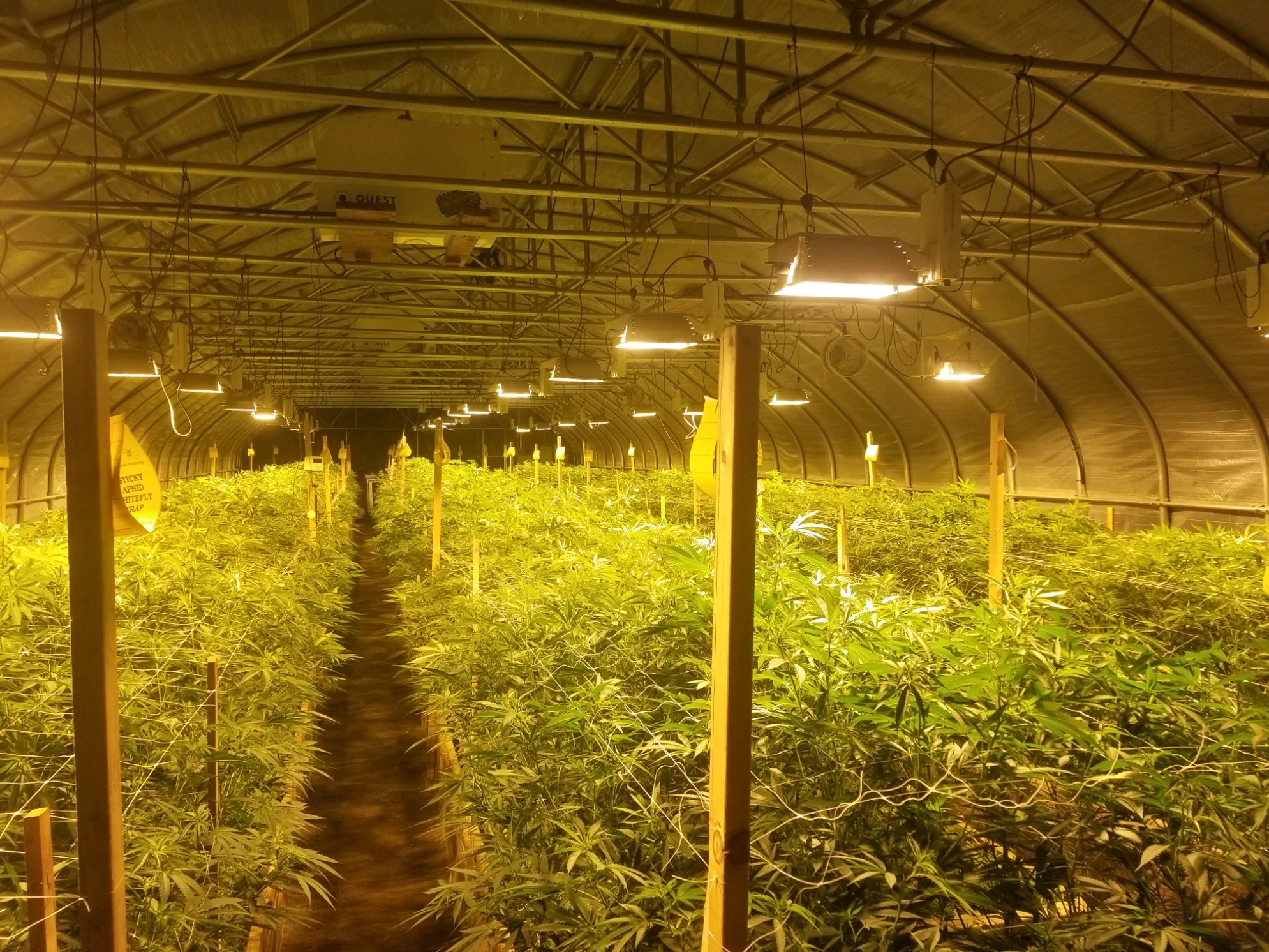
Courtesy of NGEV
Can Success at Elk Valley Be a Model for Other Tribes?
Downes noted that the good relationship between the Elk Valley Rancheria and county leaders played a key role in working out local control of cannabis regulation on tribal land. Although the solution might not work for every Native American community in California, it could serve as a model for other tribes with strong ties to their surrounding local governments. But a broader solution that serves all of California’s Native American tribes is still needed.
"Every tribe is going to be different, and their local relationships are going to be different,” he said. “It happened to be that Elk Valley and the county of Del Norte have worked cooperatively on a number of issues, and this was another [issue] that we could find a way to work in a manner that suited both party’s interests and could make this business happen."
In some ways, the difficulties California Native American tribes face while attempting to access the state’s legal cannabis market is disheartening. In other states with legal pot, including Washington, Colorado, and Nevada, tribes and state governments have successfully negotiated compacts that allow such access. With the success of the Elk Valley Rancheria and NGEV, Downes hopes that other tribes may also find a path forward.
"We are approaching this in a manner that we hope is both responsible and can pave the way to give comfort to the folks in Sacramento,” he said. “Working with tribes is a positive step forward.”
But, a changing federal regulatory environment has led to further uncertainty for both legal pot businesses and tribes looking for a piece of the action. After the Trump administration took office in 2017, then-Attorney General Jeff Sessions rescinded both the Cole and Wilkinson memos, and federal prosecutors in Nevada have made it clear that there’s a new sheriff in town.
So, the fight still isn’t over — and it won’t be until Native American communities are allowed to own legal cannabis businesses and receive licensing.... without having to give up their sovereignty to the state once again.
Follow AJ Herrington on Instagram
420GrowLife
via www.KahliBuds.com
A.J. Herrington, KahliBuds, 420GrowLife
#KahliBuds #MMJ #CBD #THC
420GrowLife
via www.KahliBuds.com
A.J. Herrington, KahliBuds, 420GrowLife
In case you haven’t noticed, cannabis edibles have come a long way since the stem-laden brownies of yesteryear. The legal cannabis industry, until recently flush with investment capital, has come up with myriad new ways of eating weed.
Gummies, cookies, capsules, mints, chocolates, hard candies, and even beverages — all infused with THC — can now be found at dispensaries in legal jurisdictions. Cannabis edibles have become so popular that sales of food and drinks containing THC in the United States and Canada could top $4 billion by 2022, according to data from Arcview Research.
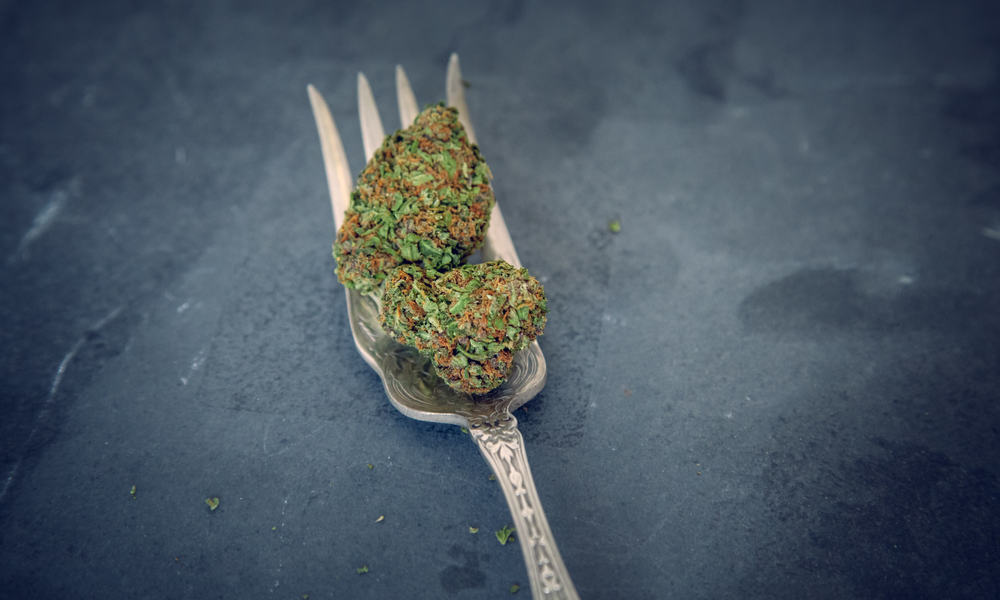
But are all of those edible products really necessary? Do you really have to fork over your hard-earned cash to buy edibles or spend valuable time making them? If you can get your hands on some tasty nugs, why go through all the hassle? Can eating weed by itself get you high, and what are the benefits of gobbling some green?
Unfortunately, the answer is no. The fact is, live cannabis plants and freshly-harvested marijuana flowers have little-to-no THC. Instead, this herb is high in THCA (or tetrahydrocannabinolic acid), an unactivated form of THC that is non-intoxicating. To get you high, the THCA must be converted to THC, which can be accomplished with the addition of heat in a process known as decarboxylation. The THCA is converted naturally when pot is smoked or vaped thanks to heating it upon inhalation. Edibles made with cannabis flowers or concentrates also have to be decarbed in order to get you lit. Even dried and cured buds, which undergo some decarboxylation as they age, still contain mostly THCA.
Another reason eating weed won’t get you high is because, by itself, THC has little bioavailability. Unless the THC molecules are infused into alcohol or fat (such as butter or oil), or are processed to make them water-soluble, they aren’t going to be absorbed by the body when eaten. Womp womp...
But even though eating weed won't get you conventionally stoned, there are benefits to consuming raw flower.

What Are the Benefits of THCA?
Eating weed is a thing. In fact, consuming fresh and fresh-frozen cannabis is becoming a bit of health craze. Even though THCA isn’t psychoactive, it still has beneficial properties for health and wellness. Many medical marijuana patients prefer formulations with THCA for times when getting lit on their medicine isn’t appropriate.
Research shows that THCA has several benefits that warrant further study. In 2013, researchers determined that cannabinoids including THCA might slow the growth and spread of some cancer cells. Another study in 2012 found that both THC and THCA can act as neuroprotectants that promote brain health. And, research in 2011 found THCA has anti-inflammatory properties.
Fresh cannabis is also rich in terpenes, minor cannabinoids, flavonoids, vitamins, minerals, and antioxidants including omega-3 and omega-6 fatty acids. Raw cannabis is also high in fiber, protein, and amino acids.
So, Is Cannabis a Food?
Dr. William Courtney is a physician and a member of the International Cannabinoid Research Society, the International Association of Cannabis as Medicine, the Society of Clinical Cannabis, and the American Academy of Cannabinoid Medicine. He views cannabis not as a medicine, but as a necessary component of a healthy diet.
“You only need it as a medicine when you have forgotten it is food,” Courtney told Fox News (an admittedly shady outlet...).
Courtney believes that ingesting raw cannabis nourishes the endocannabinoid system, which helps regulate biological processes throughout the body.
“I believe this plant, having evolved over millions of years, is put together to support that system,” he said. “It’s clear that this plant is incredibly important for cell health, which at its best prevents disease.”
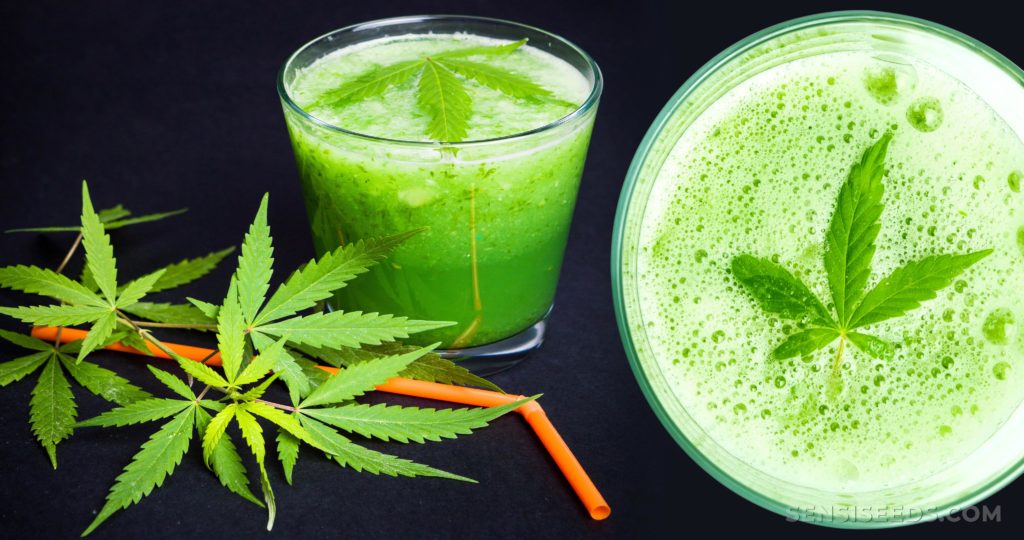
Courtney suggests that his patients consume cannabis, either fresh or fresh-frozen, as a regular addition to their diets. Fresh cannabis can be ingested by juicing, blending into smoothies, or chopped and added to salads or other recipes.
“When it’s consumed as a leafy green vegetable, you get the whole profile of the plant,” he said. “My experience day in and day out is overwhelmingly positive with patients who are using it.”
So, Where's the Proof?
One of those patients is Katie Marsh of Madawaska, Maine, who uses fresh cannabis to treat rheumatoid arthritis. She was looking for a way to treat her condition without using the powerful pharmaceuticals that are typically recommended, which can come with dangerous side effects.
“I white-knuckled it through the pain and only took pain killers when I absolutely needed them,” Marsh said.
Then she went to see Dr. Courtney, who helped her determine which cannabis strains were most likely to help her. After getting a bag of fresh cannabis from a local grower, she started juicing weed daily, mixing it into a fruit smoothly to make the taste more palatable.
“I saw results very quickly. Within a matter of a couple of days I was able to stop the prednisone and ibuprofen,” she said. After 11 months, although she was still experiencing pain in her feet from damage caused by her condition, the disease was in remission.
So while it’s true you can’t get high from eating weed, you still might want to give it a try if you use cannabis medicinally. It might be just what your body needs to help it get back on track.
Follow AJ Herrington on Instagram
420GrowLife
via www.KahliBuds.com
A.J. Herrington, KahliBuds, 420GrowLife
It's Official: The NFL Will No Longer Suspend Players for Cannabis Use
February 21, 2020
#KahliBuds #MMJ #CBD #THC
420GrowLife
via www.KahliBuds.com
A.J. Herrington, KahliBuds, 420GrowLife
Players in the National Football League will no longer face suspensions if they test positive for marijuana under a new collective bargaining agreement approved by team owners on Thursday. The agreement is now being circulated among players, who are expected to consider the new terms with their representatives during a conference call this Friday.
If the agreement is ratified, the league would implement several changes to its drug policy covering the use of cannabis by players. The new policy would reduce the penalties for players who test positive for THC, including the elimination of game suspensions solely for a positive test result, according to a fact sheet released by the NFL Players Association that covers the agreement's key terms.
The new policy would also reduce the number of players subject to testing for THC and would shorten the window during which they may be tested from four months to only two weeks at the beginning of training camp each season. The limit for THC metabolites detected in a drug test would also be increased from 35 ng/mL to 150 ng/mL.
Word that changes to the league’s cannabis policy would be included in a renegotiated collective bargaining agreement first broke earlier this month. On Saturday, Mike Florio of NBC Sports reported that the new collective bargaining agreement would “include dramatically reduced penalties, with suspensions happening only in the event of extreme and repeated disregard of the policy or significant violations of applicable law regarding the possession and use of marijuana.”
The collective bargaining agreement approved by owners on Thursday also includes provisions that increase the minimum salaries and expands benefits for active and retired players. The league announced on Thursday that the owners had voted to ratify the agreement at a meeting in New York City.
"Following more than ten months of intensive and thorough negotiations, the NFL Players and clubs have jointly developed a comprehensive set of new and revised terms that will transform the future of the game, provide for players — past, present, and future — both on and off the field, and ensure that the NFL's second century is even better and more exciting for the fans,” the statement reads.
Major League Baseball has also announced changes to its cannabis policy, revealing in December that it would remove marijuana from its list of banned substances for players. Although testing for cannabis ended for major league players in 2006, minor league ballplayers were still being tested for THC and were subject to disciplinary action for a positive result.
Follow AJ Herrington on Instagram
420GrowLife
via www.KahliBuds.com
A.J. Herrington, KahliBuds, 420GrowLife
#KahliBuds #MMJ #CBD #THC
420GrowLife
via www.KahliBuds.com
A.J. Herrington, KahliBuds, 420GrowLife
Greg Robinson, an NFL free agent offensive tackle, and Jaquan Bray, a former pro wide receiver, were arrested in Texas earlier this week after US Border Patrol agents discovered 157 pounds of pot in the rented SUV in which they and a third person were traveling. The arrest of the two players occurred Monday night at the Border Patrol’s Sierra Blanca Checkpoint Station in Western Texas near the US-Mexico border.
"We are aware of the report, but will decline further comment," an NFL spokesperson told the league’s media outlet.
Robinson and Bray have been charged with conspiring to possess marijuana with intent to distribute by the US Attorney’s Office for the Western District of Texas. According to a statement released by prosecutors on Wednesday, a Border Patrol K-9 unit alerted the vehicle that Robinson and Bray were in as it approached the checkpoint station. Agents asked Bray, who was driving the SUV, to park in a secondary inspection area. While searching the vehicle, agents allegedly discovered several large duffle bags containing 157 pounds of weed.
According to the criminal complaint filed against the two men, Robinson rented the SUV in Los Angeles on Sunday and arranged for he and Bray to be driven to Louisiana by the third person in the vehicle, an Uber driver Robinson met in 2018. As the vehicle approached El Paso, Robinson instructed Bray to take over driving.
NFL Media reports that after the marijuana was discovered, the third person showed agents text messages from Robinson offering to pay the third individual to claim the marijuana. That person refused and told Robinson that he or she would not have agreed to drive the two men if he or she had known that there were drugs in the vehicle. The third person has not been charged.
After a successful college career at Auburn, Robinson was drafted second overall in 2014 by the St. Louis Rams, where he failed to stand out. He was traded to the Detroit Lions in 2017 and then to the Cleveland Browns a year later. He is due to become a free agent during the current off-season, as the NFL Network’s Tom Pelissero reports that the Browns have no intention of re-signing him.
Bray also played college ball at Auburn and is a former NFL wide receiver who spent three seasons with the Indianapolis Colts. He was released by the Houston Texans in 2018. He has also been a player with the Alliance for American Football and the Canadian Football League.
The case against Robinson and Bray is still being investigated by the Border Patrol and the Drug Enforcement Administration. The two men face up to 20 years in federal prison if they are convicted.
420GrowLife
via www.KahliBuds.com
A.J. Herrington, KahliBuds, 420GrowLife